
The dice clatter across the felt and the crowd leans in, that old electric buzz you only get when the shooter hits the back wall. In Perth, the craps scene has quietly matured from a niche curiosity into a proper slice of the casino floor, drawing punters who want the tempo of a fast-moving table without the full-blown fuss of a massive resort. You can spot the locals by the way they lean on the rail, chatting about odds while nursing a flat white, and the tourists by the way they watch the stickman like it’s live sport. Craps Perth has that same mix of mechanics and mateship that makes the game stick, and it’s worth knowing how the local setup actually runs before you drop your first chip.
Across the country, digital betting tech has shifted the way we play, and the tables have kept pace without losing the tactile edge that keeps punters coming back. The biggest change isn’t the layout or the payout cards, it’s how the money moves. Cashless and card-based play can increase spending by hiding the sting of physical money leaving your hand, which is exactly why seasoned players keep one eye on the screen and the other on their own limits. That same tech layer sits behind the polished tables in Western Australia, where the pace is steady, the floor staff are sharp, and the game still feels like a proper face-to-face contest rather than a screen tap.
If you’re tracking how the scene compares overseas, the differences are sharper than you’d expect. In the US, you’ll find tables that run like clockwork with a crowd of twenty shouting over one another, while UK and European floors tend to favour smaller, quieter setups with a more measured rhythm. Down Under, we’ve landed somewhere in the middle, borrowing the pace from the American style but keeping the room temperature more relaxed, which suits the way we actually gamble on a Friday night. Whether you’re chasing a hard eight or just watching the pass line tick over, the local tables have carved out a groove that feels familiar without being a copy-paste of the overseas floor.
How the Dice Actually Work on a Perth Floor

At its core, the game runs on a simple rhythm: the shooter throws, the table reacts, and the bets settle on the next roll. The layout can look busy to a first-timer, but the real action sits in a handful of core wagers that carry the pace. Pass and don’t pass lines form the backbone, with come bets and place numbers filling out the middle, and the odds behind those bets are where the maths starts to make sense. You don’t need a degree in probability to play, just a clear head and a willingness to let the dice do their thing.
Perth tables tend to run a steady, no-drama tempo that suits the local crowd. The dealers call the action cleanly, the stickman keeps the puck moving, and the floor stays organised even when a hot shooter gets the room leaning in. That’s part of the appeal for locals who want a proper game without the noise overload you sometimes get in bigger international venues. The pace is quick enough to keep things interesting, but not so frantic that you lose track of your own bets.Walkley
If you’re new to the felt, the smartest move is to watch a few rounds before you put money down. The table tells you a lot about how it’s being run, from the way the crew handles the odds to how they manage the crowd when the shooter changes. A good table feels like a well-tuned machine, and once you spot that rhythm, you’ll know where to sit and how to read the flow without overthinking every throw.
The Local Vibe and Why WA Players Keep Coming Back
Western Australia has its own gambling culture, shaped by the heat, the long drives, and the way locals like to keep a night out social rather than solitary. A good table game fits that mindset because it’s built around conversation, shared tension, and the odd groan when the seven hits at the wrong moment. Craps Perth has tapped into that by keeping the atmosphere loose and the service sharp, which is exactly what you want when you’re dropping in for a session after work or on a weekend away from the coast.
The local market also responds to the way people actually spend their money. You see more card play than old-school cash on the tables these days, and that shift changes the psychology of the game in subtle ways. When the money moves through a digital channel, the sting of handing over physical notes disappears, which can make a session feel smoother than it really is. That’s why the regulars keep their limits front of mind, treating the card like a tool rather than a free pass.luckyelfnodeposit.com
Perth’s scene also benefits from the way the city’s casino floor is positioned within the broader leisure landscape. You’ve got the river, the suburbs, and the usual weekend rhythm of drinks, dinner, and a bit of action on the tables, all within easy python-introduction.com reach. That mix keeps the tables busy without turning the place into a non-stop festival, and it gives the game room to breathe instead of running at full tilt from open to close.
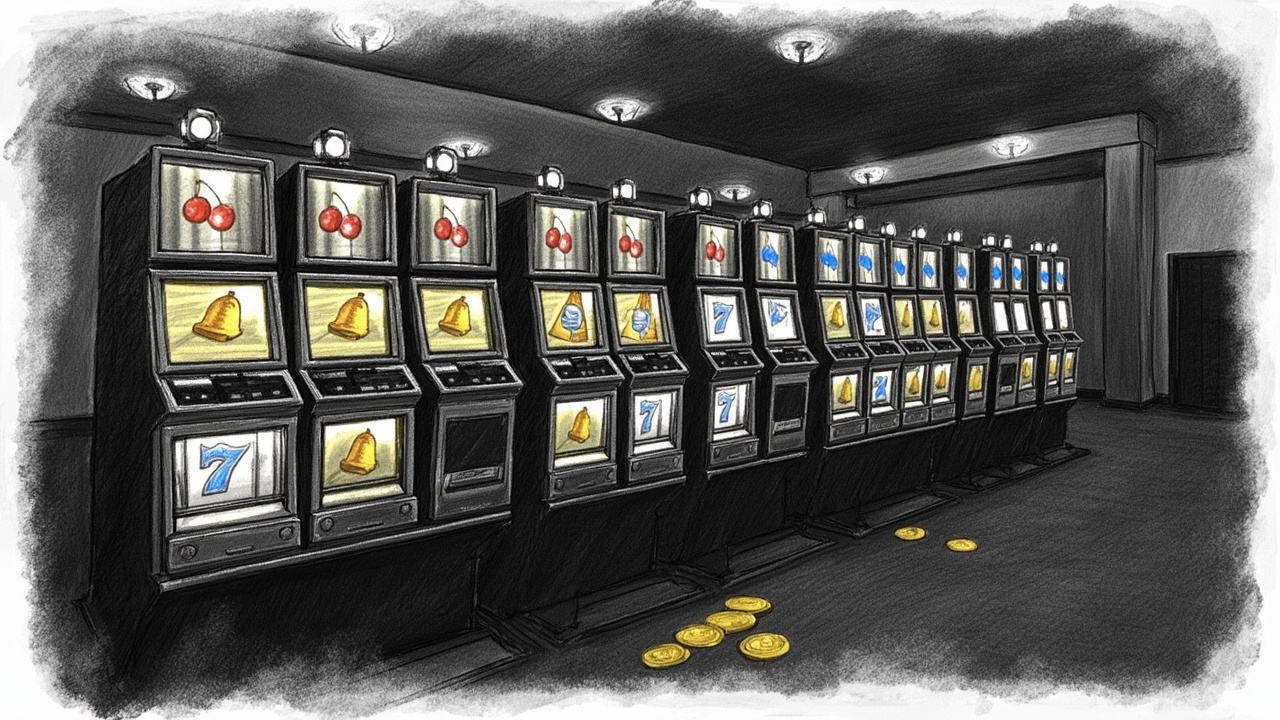
Betting Tech That’s Changing the Table Game
The tech sitting behind the tables has come a long way from the old paper tickets and clunky monitors. Modern setups let players track their bets, manage their accounts, and settle results with a speed that keeps the game moving without losing the human element. The dealers still call the action, the dice still land where they land, but the back-end systems handle the bookkeeping in a way that cuts down on delays and keeps the floor tidy.
That same tech layer is where the spending psychology gets interesting. Cashless and card-based play can increase spending by hiding the sting of physical money leaving your hand, which is a real factor for anyone who wants to stay in control. The screens and prompts make transactions feel frictionless, so the trick is to treat the account balance like a hard limit rather than a vague number you glance at between rolls.
For the non-technical punter, the takeaway is simple: the tech is there to make the table smoother, not to change the odds or talk you into a bigger session. Good venues use the systems to keep the game clean and the payouts quick, and that’s exactly what you want when you’re trying to focus on the dice instead of the paperwork. The best setups keep the tech in the background and let the table do the talking.
Rules, Odds, and the Numbers That Matter
If you want to play with your eyes open, the odds are the first thing worth understanding. The pass line carries a low house edge when you back it with proper odds, and that’s where a lot of regulars put their money because the maths stays friendly. Place bets and come bets have their own edges, and the smart player knows which numbers give the best return for the risk rather than chasing the loudest payout on the board.
The rules themselves are straightforward once you strip away the chatter. The shooter wins on a seven or eleven on the come-out, loses on a two, three, or twelve, and sets a point when any other number hits. After that, the game keeps rolling until the point repeats or the seven shows up, and the bets settle accordingly. That simple loop is what gives the game its tempo, and it’s why the table can stay lively for hours without needing a reset every few minutes.
Perth players tend to favour the cleaner side of the game, leaning on the pass line and taking odds rather than scattering chips across every spot on the layout. That approach keeps the session manageable and the decisions easy to track, which suits the way most of us play when we’re there for a proper night out rather than a marathon session. The numbers matter, but the discipline matters more.
Comparing the Perth Scene to Overseas Floors
Overseas, the game often runs with a bigger crowd, louder calls, and a pace that feels closer to a live event than a casual table session. In the US, you’ll see tables packed with players shouting over the stickman, and the energy can be brilliant but exhausting if you’re just after a steady game. The UK and Europe tend to run smaller, quieter setups where the pace is calmer and the room feels more like a focused session than a full-floor spectacle.
Down Under, we’ve landed in a comfortable middle ground. The tables move quickly enough to keep the action alive, but the room stays social rather than chaotic, which suits the way we actually like to gamble. That balance is part of why the local scene has held its own, because it borrows the energy from the American style without importing the full noise level.
If you want a straight compare, the differences show up in the crowd, the pace, and the way the floor is managed. The US leans into spectacle, the UK and Europe lean into restraint, and Perth sits between the two with a clean, steady setup that keeps the game accessible. That’s the local sweet spot, and it’s why the tables here feel familiar without feeling copied.
| Market | Table Pace | Crowd Style | Tech Setup | Notable Operator |
|---|---|---|---|---|
| United States | Fast, high-energy | Loud, crowded, event-like | Cashless options expanding, mixed table tech | Multiple large resort operators |
| United Kingdom | Steady, measured | Smaller, quieter, session-focused | Card-based systems common, cleaner floor flow | Major UK bookmaker-linked casino groups |
| Europe | Calm to moderate | Relaxed, often smaller tables | Integrated digital tracking, varied by venue | Established European casino brands |
| Australia | Balanced, social | Mateship-driven, steady tempo | Card-based and cashless systems gaining ground | Joe Fortune among leaders of the Australian market |
Where to Play and How the Venue Sets the Tone
The venue itself shapes the whole experience, from the lighting on the felt to the way the crew handles the crowd when the table gets busy. A well-run floor keeps the game clear, the dealers sharp, and the atmosphere friendly without drifting into rowdy territory. That matters more than people think, because a clean setup makes it easier to read the table and keep your own betting straight.
Perth’s scene benefits from venues that know how to balance the local crowd with visitors who want a proper game. The best tables feel welcoming on the first visit and familiar by the third, which is exactly the kind of repeat appeal that keeps the floor steady through the week. You want a place where the staff know the game, the layout is easy to read, and the service stays consistent when the action picks up.Starweekly
If you’re sorting out where to start, it helps to check the local listings and see which venues are running the tables you actually want to play. A quick look at a reliable local entertainment source like the Star Weekly can point you toward the right night and the right spot, especially when you’re planning a session around dinner, drinks, and a bit of table action. The right venue makes the game feel effortless, and that’s half the battle.
Keeping It Sharp: Bankroll, Pace, and Playing Smart
The biggest mistake new players make is treating the table like a slot machine and forgetting that craps is a game of rhythm, not a sprint. A sensible session starts with a clear bankroll, a limit you’re willing to stick to, and a plan for when the dice go cold. The game will throw hot runs and ugly sevens at you, and the players who last are the ones who know when to step back instead of chasing every swing.
Card-based play makes that discipline even more important, because the smooth transaction flow can blur the line between a normal session and a longer one than you intended. Cashless and card-based play can increase spending by hiding the sting of physical money leaving your hand, so the smart move is to set your limits before you sit down and treat the balance as a hard stop rather than a soft suggestion. That mindset keeps the night enjoyable and the decisions clean.
The best players also pay attention to the table itself, not just their own chips. A good crew, a clean layout, and a steady pace all make it easier to play properly, and those details matter more than the loudest bet on the board. If you’re hunting for a session that feels right from the start, a trusted local entry point like luckyelfnodeposit.com can help you sort the options and get the night organised without faffing about.
Rolling Forward: What’s Next for the WA Tables
The local scene keeps evolving as the tech improves and the crowd gets more comfortable with card-based play. The tables themselves aren’t changing their core mechanics, but the way the floor runs around them is getting cleaner, quicker, and easier to navigate. That’s a good direction for anyone who wants the game to stay sharp without turning into a tech showcase, because the dice still do the talking and the crowd still sets the mood.
Perth has the kind of market that rewards a steady, well-run table scene, and the venues that get that right will keep pulling the regulars through the door. The game’s appeal sits in the mix of maths, momentum, and mateship, and that combination doesn’t go out of style just because the payment systems get smoother. If anything, the better tech just makes it easier to focus on the thing that matters, which is the roll itself.
If you want to keep up with how the local scene is moving, it’s worth keeping an eye on the broader storytelling around WA leisure and casino culture, and a solid journalism hub like the Walkley foundation shows how proper reporting keeps the industry honest and the public informed. The tables will keep rolling, the crowd will keep leaning in, and the local groove will stay what it’s always been: a proper night out with the dice doing what they do best.